Best 6 Metabolism-Boosting Foods to burn Fat

More than
50 % of ourselves struggle with weight loss and weight management. Therefore,
it is very important to know what metabolism means and how it influences our
daily nutrient intake.
What is
Metabolism?
Metabolism
is a complex biochemical process during which your body extracts calories from
the consumed food, combines it with oxygen and produces energy. This energy is
then used by the body to sustain itself and carry out various functions like blood
circulation, breathing, digestion, maintaining hormonal balance, growth and
repair of cells. In Simple put,
metabolism is what provides fuel for our body in order to various activities or
daily movements.
The
metabolic rate differs from person to person. Some may manage to burn lesser
calories as compared to others. Now those
who are lean with muscles tend to have higher metabolism and end up burning
more calories, even when at rest. Age and sex also play a vital role in determining
your metabolic rate. All this factor will depend on your age, your body type or
your diet lifestyle. On an average, a person's metabolism declines between 5%
and 10% per decade.
Here
are the top foods list that can put up your metabolism: -

Protein-rich food and one of the top are among options for
boosting metabolism.
A medium/large chicken
egg (50-gram) provides approximately 70 calories (290 kJ)
of food energy and 6 g of protein.) making them an ideal
choice for people who want to speed up their metabolism.,
Protein is one of the most effective nutrients for increasing
metabolic rate because the body needs to use more energy to digest it than it
does for fats or carbohydrates. Scientists call this energy expenditure
the thermic effect of food (TEF), or diet-induced thermogenesis (DIT).
According to some
research, people who consumed 29% of their total daily calories as
protein had a higher metabolic rate than those who consumed 11% of total
calories from protein.
2. Flax seeds

Flax seeds are seeds that contain protein, vitamins, and
other key nutrients. Some people consider flax seeds a “functional food,” which
means that people eat them for their health benefits. Eating flax seeds could
help boost metabolism & helps in improvement with diabetes, obesity,
and cardiovascular disease.
Eating flax seeds could help boost metabolism and improve
metabolic syndrome, which is a group of conditions that contribute to diabetes,
obesity, and cardiovascular disease.
Consumption of more than 30 g of flax seed daily for more
than 12 weeks reduces body weight, body mass index (BMI),
and waist circumference for persons with a BMI greater than 27, also it helps
in reductions in blood pressure.
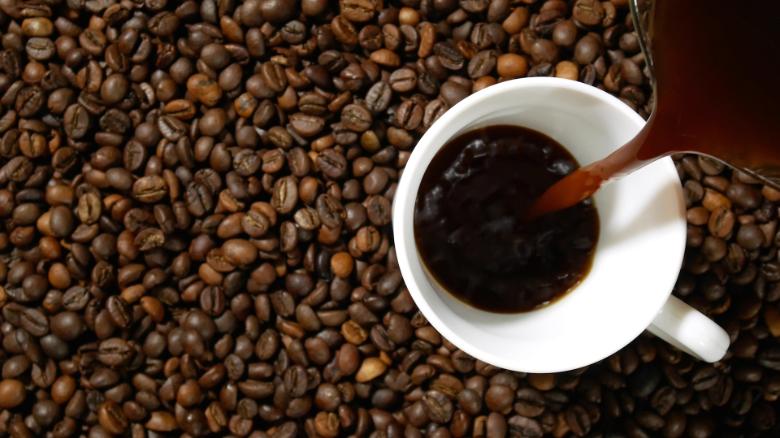 Coffee can help people feel less tired and increase energy
levels (
Coffee can help people feel less tired and increase energy
levels (
In fact, six different studies found that people who consume at
least 270 mg of caffeine daily, or the equivalent of about three cups of
coffee, burn an extra 100 calories per day
The caffeine found in coffee may help boost the amount of
calories and fat your body burns. However, its effects may vary by individual.
 Teas have a type of flavonoid called catechins that may
boost metabolism and help your body break down fats more quickly. And
the caffeine in many teas increases your energy use, causing your body to burn
more calories. These two compounds probably work best together for weight loss.
Teas have a type of flavonoid called catechins that may
boost metabolism and help your body break down fats more quickly. And
the caffeine in many teas increases your energy use, causing your body to burn
more calories. These two compounds probably work best together for weight loss.
The combination of caffeine and catechins found
in tea may help your body burn slightly more calories and fat each day
5.
Fish
Fish are full of Omega-3 fatty acids, and these are
a family of fats that’s essential for human health. These fatty acid helps
in betterment heart and brain health, a reduced risk of depression
and even better skin health
may help you lose weight is by increasing your metabolism.
 Eating fish helps increase your
metabolism boosting your metabolic rate, Fish like salmon, tuna, sardines,
mackerel and trout, are excellent sources for omega-3.
Eating fish helps increase your
metabolism boosting your metabolic rate, Fish like salmon, tuna, sardines,
mackerel and trout, are excellent sources for omega-3.
Even if fish oil omega-3s don’t help some people lose weight,
they may still help them build muscle and lose body fat.
Sometimes your weight on the
scale can be misleading. It may remain the same even if you’re gaining muscle
and losing fat.
6.
Dark chocolate

Dark chocolate is rich in minerals, such as iron,
magnesium, and zinc. The cocoa in dark chocolate also contains antioxidants
called flavonoids, which may provide several health benefits.
Dark chocolate is loaded with monounsaturated fatty acids (MUFAs),
which are plant-based fats that will boost your metabolism and help you
burn calories and fat. They can also help lower your cravings for other sweet
or salty snacks
Dark chocolate also contains certain compounds,
such as polyphenols and theobromine, that may lower levels of low-density
lipoprotein (LDL) cholesterol in the body and increase levels of high-density
lipoprotein (HDL) cholesterol. Doctors often refer to LDL cholesterol as “bad
cholesterol” and HDL cholesterol as “good cholesterol.”
Other tips to boost
metabolism
Eating a healthful diet is
essential for regulating metabolism. Other ways to boost metabolic function
include:
Drinking water
Water can be great to keep up
your metabolism too. Estimates vary, but, on average, each
person uses about
80-100 gallons of water per day, for indoor home uses.
Sleep
Getting enough sleep is
essential for metabolism and overall health. An average sleep for 7 to 9 hours
a night is consider to be best to keep that metabolism up.
Strength and resistance training
Lifting weights regularly
allows people to gain and retain muscle mass and to burn fat. The Physical
Activity Guidelines for Americans recommend that adults should perform
strengthening exercises 2 or more days each week.
Concluding that
many foods, including green vegetables, chili peppers, and protein sources, can
boost metabolism and help people achieve or maintain a healthy weight.
For optimum results, eat
these foods as part of a balanced diet.
Other lifestyle changes that
improve metabolic health include drinking enough water, getting adequate sleep,
and exercise activities.


No comments:
Post a Comment